King’s Academy Ringmer Pathways
The video below comprehensively covers the structure and planning for the pathways and preferences available to students. It is approximately 13 minutes long, and we recommend all students and parents/guardians watch it prior to support with the decision-making and understanding of what the Key Stage 4 Curriculum entails at King's Academy Ringmer.
Use the links in the right-hand column to read specific details about the individual courses available, either as part of the core curriculum or as preferences within the pathways. Read on for an overview of the "King's Academy Ringmer Pathways".
Introduction
This section provides a comprehensive guide to the Year 9 Pathways process at King’s Academy Ringmer. It outlines the curriculum structure, the importance of GCSE choices, and detailed information about each subject available for selection.
Opportunities for Success on a Global Stage
King’s Academy Ringmer offers a curriculum designed to support students in achieving their full academic potential while preparing them for future education and employment. Students progress to a wide range of destinations, including A Levels, Level 3 Technical Courses, vocational qualifications, and apprenticeships. Our subject offer is carefully curated to ensure that no future pathways are closed, even though not all GCSE subjects can be offered. This is due to the fact that there are 60 plus GCSE courses alone. If you factor in Tech Awards and Level 1/2 Vocational Awards, the total number of possible courses is not deliverable by any school nationally.
Some subjects, such as Business Studies, are not offered at GCSE due to capacity and quality assurance considerations. However, students can still pursue Business at A Level or Level 3 without a GCSE in the subject. In contrast, subjects such as Art or History require GCSE study for progression to A Level. EBacc subjects also require early commitment.
The Economic Value of Excellence
GCSE outcomes have a significant long-term impact. Research from the Department for Education indicates that improving one grade across nine GCSE subjects can increase lifetime earnings by over £200,000. Even a single grade improvement in one subject is associated with an average increase of £23,000. These findings highlight the value of sustained effort and academic ambition.
Wellbeing and Open Doors
Strong GCSE results act as gatekeepers to future opportunities, including competitive universities and high-status careers. Academic success is also linked to wellbeing, with research showing that students who perform well at 16 experience higher life satisfaction and greater stability in early adulthood.
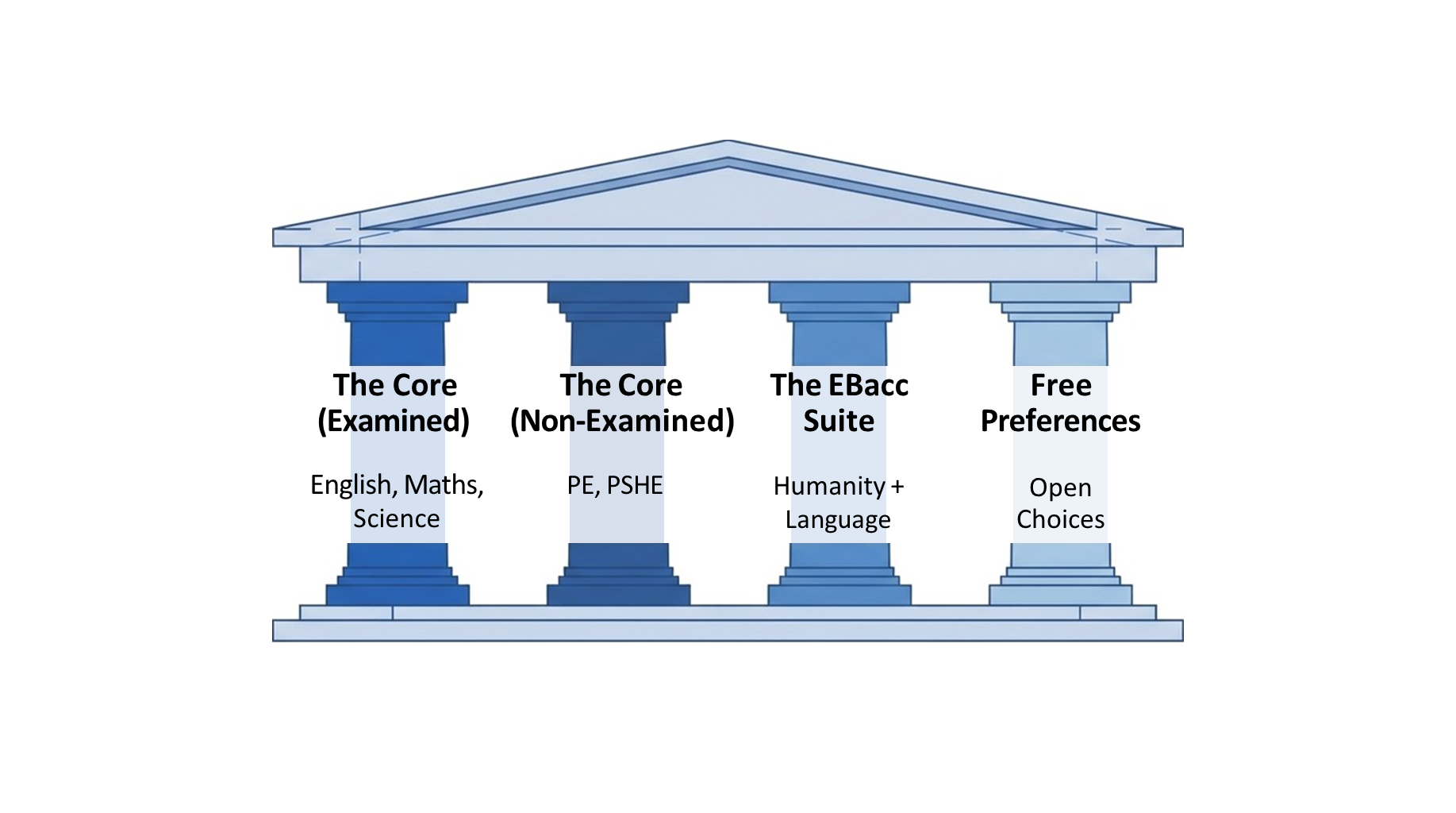
The Four Pillars of the Curriculum
Examined Core
All students study:
- English Language and English Literature
- Mathematics
- Science (Combined Science: Trilogy or Separate Sciences)
For science, you'll either take the trilogy double award or the three separate sciences. The science department will help guide that decision. Taking the Double Award does NOT exclude a student from studying separate sciences at A Level.
Non-Examined Core
All students continue with:
- Physical Education (PE)
- Personal, Social, Health and Economic Education (PSHE)
These subjects are essential for becoming a well-rounded person. Students continue with PE for their physical health and PSHE, to support thie well-being and plans for the future.
Although not examined, this part of the curriculum addresses students' wider development, helping them stay healthy, build character, and just generally get ready for life and work after school.
EBacc Suite
The majority of students will study:
- One Humanity (Geography or History)
- One Language (French or Spanish)
In line with our vision for success on a global stage, the majority of students will study both a humanity and their current language. These are ‘facilitating subjects’ highly valued by the Russell Group universities.
Inclusive Curriculum Pathways
Standard Pathway
Students study a Humanity, a Language, and two Free Preferences.
Mastery Pathway
Students study a Humanity or a Language, two Free Preferences, and receive additional English and Maths support.
The Mastery Pathway includes one fewer course to allow for additional Maths and English support time. Students are selected based on prior attainment and reading ages.
Free Preference Subjects
Students may choose two subjects from the following:
-
Art and Design
-
Music
-
Performing Arts
-
Photography
-
Computer Science
-
Design Technology
-
Food and Nutrition
-
Theology, Philosophy and Religion
-
Geography
-
Sport Studies
-
History
How to Choose
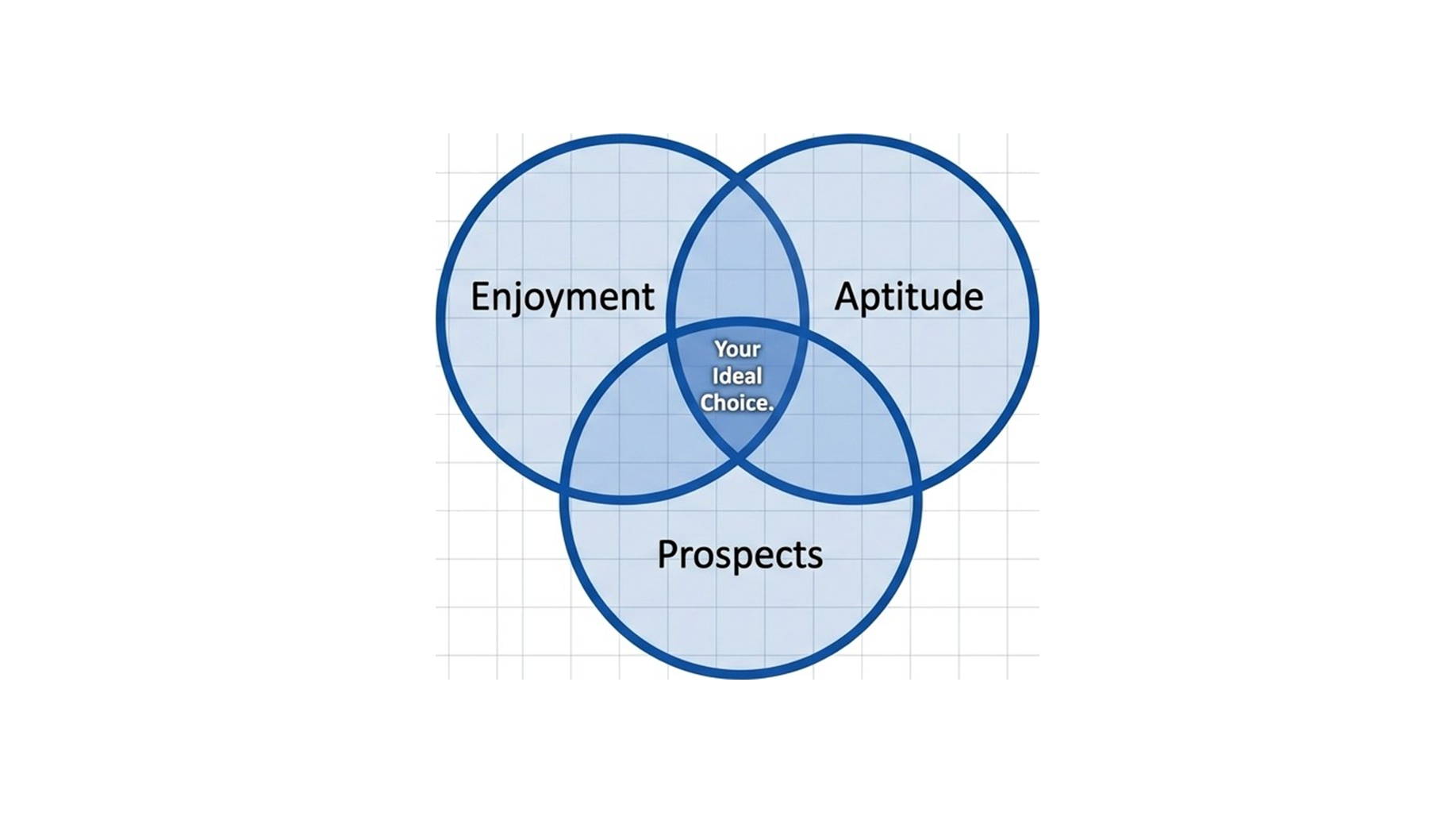
Students should select subjects based on personal interest and long-term goals, not on friends’ choices or favourite teachers.
Selection Timeline
-
Thu 5th February – Progress & Preferences Evening
-
7th–8th February – Reflection Weekend
-
Mon 9th February – Forms Released
-
Fri 27th February – Submission Deadline
Changes
Students cannot drop subjects in Key Stage 4. Changes can be made up until October 2026. However, this becomes more and more limited over time, as the timetable is created and preference blocks created movement will be limited to other subjects in the same preference block. It is therefore important students fully reflect on their choices, to avoid having to change them in the future.